


In-depth analysis of the July 2025 FOMC meeting minutes: Monetary policy stance amid tariff uncertainties

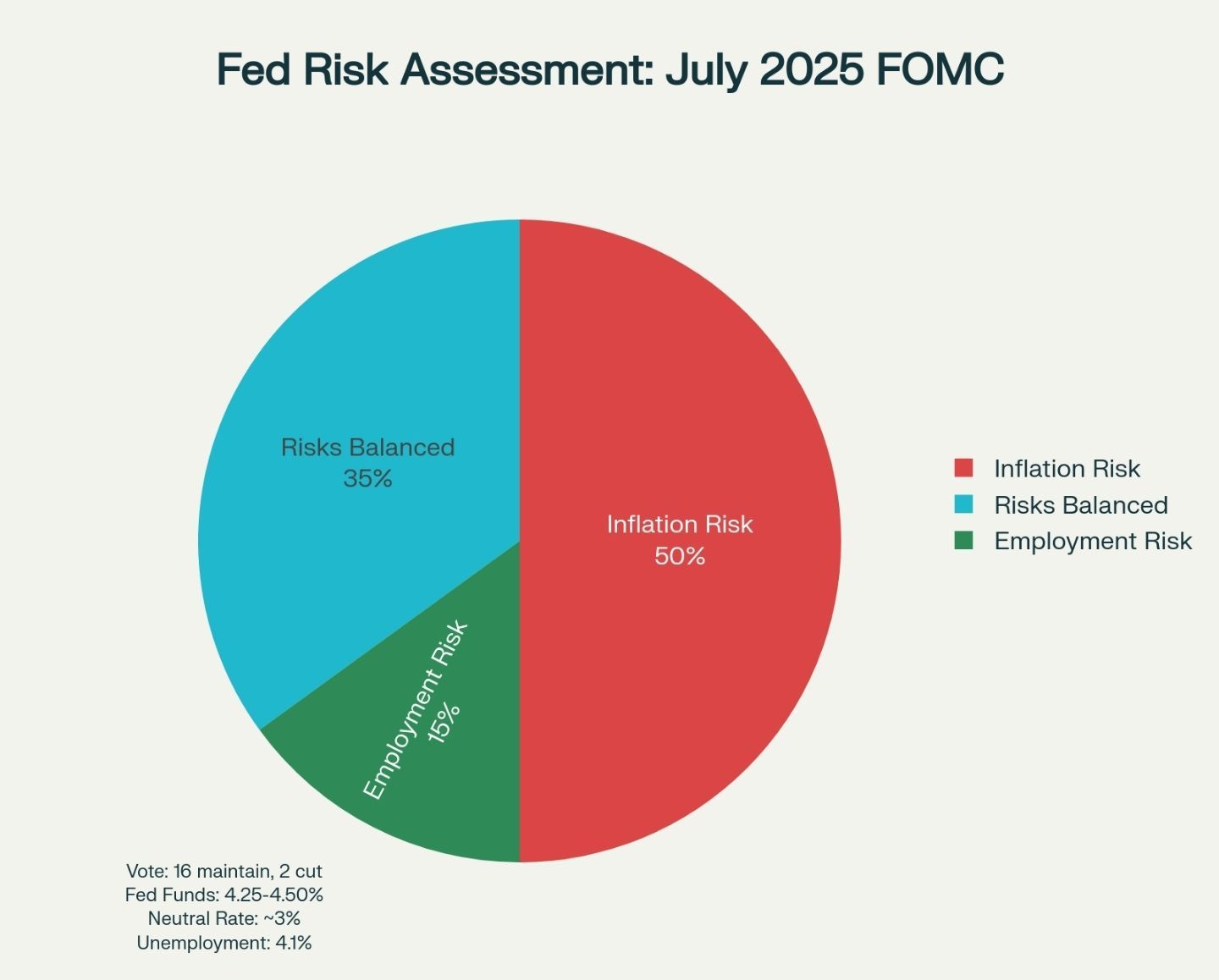
The minutes of the July 29-30 Federal Open Market Committee (FOMC) meeting released by the Federal Reserve on August 20, 2025, show that Fed officials faced complex policy trade-offs between inflation concerns triggered by tariff policies and risks in the labor market. The meeting ended with a divided outcome, with 16 out of 18 participants supporting keeping interest rates unchanged and two voting against, marking the first time since 1993 that two governors simultaneously dissented.
Monetary Policy Decision: Status Quo Maintained but Divisions Emerge
Interest Rate Decision and Voting Results
The Federal Open Market Committee ultimately decided to maintain the target range for the federal funds rate at 4.25%-4.50%, marking the fifth consecutive pause in rate cuts since December 2024. However, the decision was not unanimous, with Federal Reserve Board Governors Christopher Waller and Vice Chair for Supervision Michelle Bowman voting against, advocating for a 25 basis point rate reduction.
Detailed Analysis of Dissenting Views
Governor Waller's Position: In a statement released on August 1, Waller detailed his reasons for dissent. He argued that tariffs represent a "one-time price level increase" and that, with inflation expectations anchored, the central bank should "look through" such price effects. He noted that the current policy rate should be closer to the neutral level (around 3%) rather than the current restrictive stance, which is 1.25-1.50 percentage points above neutral.
Vice Chair Bowman's Considerations: Bowman emphasized that, after excluding the temporary effects of tariffs, inflation is already quite close to the Fed's 2% target. She particularly focused on the labor market, which, while near full employment, lacks dynamism. She argued for a gradual adjustment of the policy rate toward neutral to hedge against risks of further economic weakening and labor market damage.
Tariff Impact: Core Policy Debate Focus
Complexity of Inflation Transmission Mechanisms
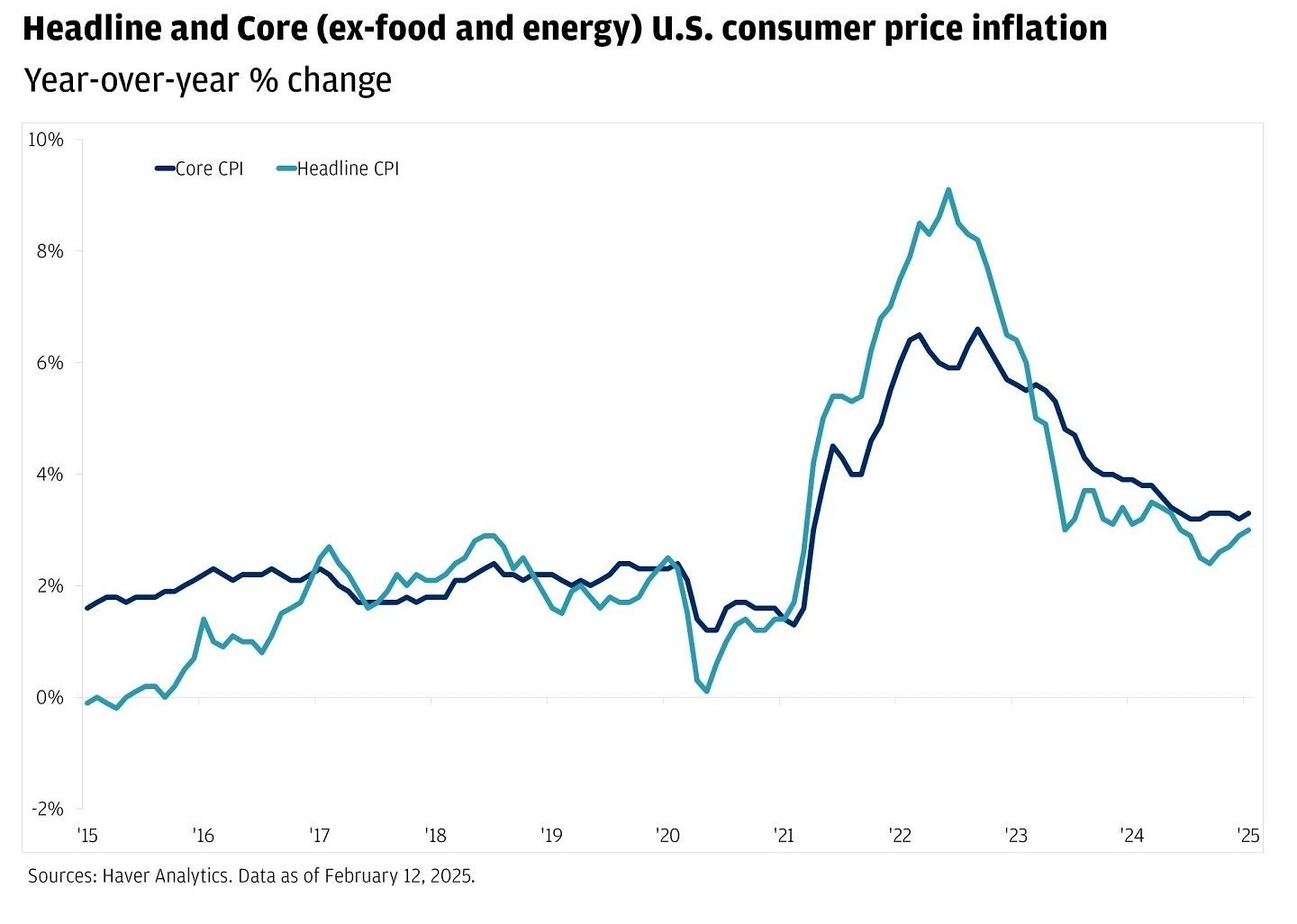
The minutes revealed significant uncertainty among participants regarding the timing, magnitude, and persistence of tariff impacts on inflation. Participants noted that tariff effects have become more evident in the data, as seen in recent increases in goods price inflation. However, the full impact of tariffs on consumer goods and services prices may take time to materialize due to factors such as:
Inventory hoarding by businesses ahead of anticipated tariff hikes
Slow pass-through of increased input costs to final goods and services prices
Gradual updates to pricing contracts
Business considerations for maintaining customer relationships
Issues related to tariff collection
Ongoing trade negotiations
Cost Allocation and Corporate Strategies
Evidence suggests that foreign exporters bear at most a small portion of the increased tariffs, meaning domestic businesses and consumers primarily shoulder the costs. Many companies expect to pass on tariff costs to end customers over time, but firms are also employing various strategies to avoid full cost pass-through, including negotiating with or switching suppliers, altering production processes, reducing profit margins, tightening wage discipline, or leveraging automation and new technologies to cut costs and improve efficiency.
Neutral Rate Discussion: Key Policy Judgment
Assessment of Proximity to Neutral Level
Several participants commented that the target range for the federal funds rate may not be far from the neutral level. This assessment is supported by considerations that broader financial conditions are either neutral or supportive of stronger economic activity. This judgment has significant implications for the monetary policy outlook, as if current rates are indeed near neutral, the scope for further policy adjustments may be more limited than expected.
Policy Implications of the Neutral Rate
Participants emphasized that the persistent impact of tariffs on inflation will largely depend on the monetary policy stance. If policymakers believe current rates are near neutral, this will influence their judgment on the pace and magnitude of future policy adjustments.
Economic Outlook: Slowing Growth and Labor Market Resilience
Downgraded GDP Growth Forecasts
The staff's projections for real GDP growth from 2025 to 2027 were similar to those prepared for the June meeting, reflecting offsetting effects from several revisions. Staff expected the increase in import costs, including tariffs, to be smaller and occur later; additionally, financial conditions were projected to be slightly more supportive of output growth. However, these positive effects were offset by weak spending data and assumed reductions in net immigration growth.
Subtle Changes in the Labor Market
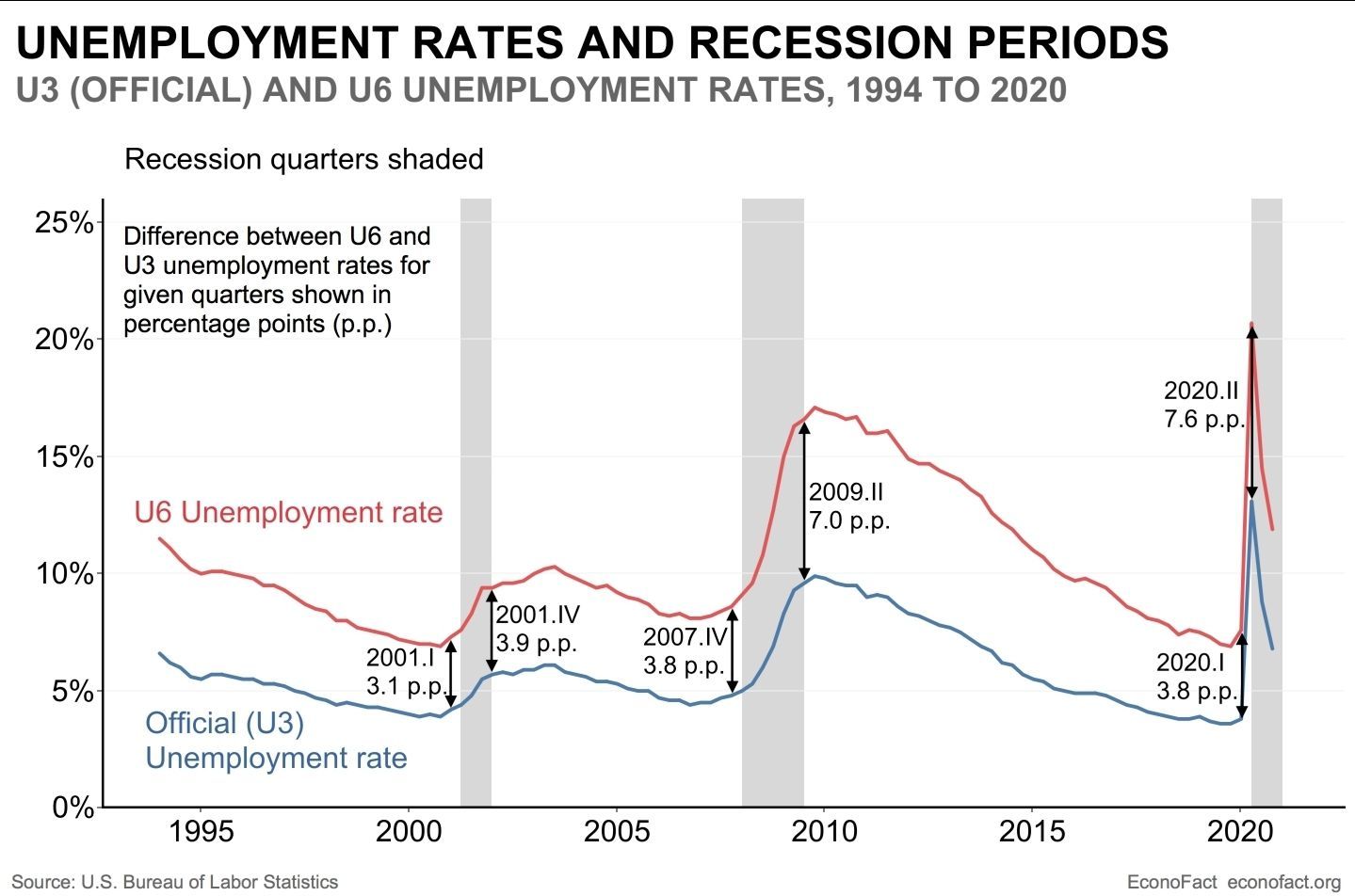
Despite the unemployment rate remaining at a low 4.1%, participants noted potential signs of labor market softening. Some mentioned indicators that might suggest weakening labor demand, including slower and more concentrated employment growth, rising cyclical unemployment rates among Black and younger workers, and smaller wage increases for job switchers compared to stayers.
Financial Stability Risks: Multiple Challenges
Asset Valuation Pressures
Staff continued to characterize overall financial vulnerabilities in the U.S. financial system as "notable." Asset valuation pressures were judged to be "elevated." In the stock market, price-to-earnings ratios were at the high end of their historical distribution, while spreads on high-yield corporate bonds had narrowed significantly, standing at low levels relative to historical distributions.
Concentration of Leverage Risks
Financial sector vulnerabilities related to leverage were characterized as "notable." Banking regulatory capital ratios remained high, with recent annual stress test results showing all participants maintaining capital above minimum requirements even under stressed conditions. However, banks were still seen as more exposed to interest rate risk than historically typical. In the nonbank sector, hedge fund leverage and rollover risks remained high and concentrated among the largest firms.
New Challenges in Stablecoin Regulation
Several participants discussed recent and prospective developments related to payment stablecoins and their potential impact on the financial system. They noted that with the recent passage of the GENIUS Act (Guidance for the Establishment of National Innovation and Uniform Standards for Stablecoins), the use of payment stablecoins could grow. Participants believed payment stablecoins could enhance payment system efficiency but also observed that such stablecoins might increase demand for underlying assets, including U.S. Treasuries.
Risk Assessment: Inflation Concerns Dominate
Imbalance in Two-Sided Risks
Participants generally noted risks to both sides of the Committee's dual mandate, emphasizing upside risks to inflation and downside risks to employment. Most participants viewed upside inflation risks as the greater of the two, while several saw the risks as roughly balanced, and a few considered downside employment risks more prominent.
Complexity of Policy Trade-Offs
Participants noted that if high inflation proves more persistent while labor market prospects weaken, the Committee could face difficult trade-offs. They agreed that in such scenarios, they would consider the extent to which each variable deviates from the Committee's goals and the expected timelines for closing these gaps, which may differ.
Forward Guidance: Data-Dependent Cautious Stance
Conditions for Policy Adjustments
Nearly all participants agreed that, with the labor market still solid and current monetary policy moderately or slightly restrictive, the Committee is well-positioned to respond to potential economic developments in a timely manner. Participants agreed that monetary policy would be determined based on a broad range of incoming data, the economic outlook, and the balance of risks.
Waiting and Observing Tariff Policies
Some participants stressed that much could be learned from incoming data over the coming months, which would inform their assessment of the balance of risks and the appropriate setting of the federal funds rate; meanwhile, others noted that waiting for full clarity on the inflationary impact of tariffs before adjusting the monetary policy stance was neither feasible nor appropriate.
Conclusion: Moving Forward Cautiously Amid Divisions
The July 2025 FOMC minutes reflect the Fed's policy divisions in a complex economic environment. While most officials supported maintaining the current interest rate level, the dissenting votes from two governors indicate differing views on the economic outlook and policy stance. Uncertainty around tariff policies, assessments of the neutral rate level, and the trade-offs between inflation and employment risks constitute the core challenges of current monetary policy decisions.
As the September meeting approaches, market expectations for a rate cut remain strong, with CME FedWatch showing an 85% probability of a 25 basis point cut. Fed Chair Powell's speech at the Economic Policy Symposium in Jackson Hole, along with upcoming employment and inflation data, will provide important clues for the Fed's next policy move.
Against a backdrop of heightened global trade tensions and ongoing policy uncertainty, the Fed faces the difficult task of balancing price stability and maximum employment. The policy divisions revealed in these minutes suggest that internal debates within the Fed could intensify in the coming months.
$Tesla(TSLA.US) $Apple(AAPL.US) $NVIDIA(NVDA.US) $SPDR S&P 500(SPY.US) $Invesco QQQ Trust(QQQ.US)
The copyright of this article belongs to the original author/organization.
The views expressed herein are solely those of the author and do not reflect the stance of the platform. The content is intended for investment reference purposes only and shall not be considered as investment advice. Please contact us if you have any questions or suggestions regarding the content services provided by the platform.
